Standing in the parking lot while a meeting ticks closer is the kind of stress few rehearsed for. This piece is about rapid, reliable locksmith response for Orlando businesses, and it walks through what to expect, how to choose a provider, and how to make smart decisions under pressure. Expect clear scenarios, quick triage steps, and tips that save time and money when a commercial lockout hits.

What a true 24/7 Orlando locksmith means for business shutouts.
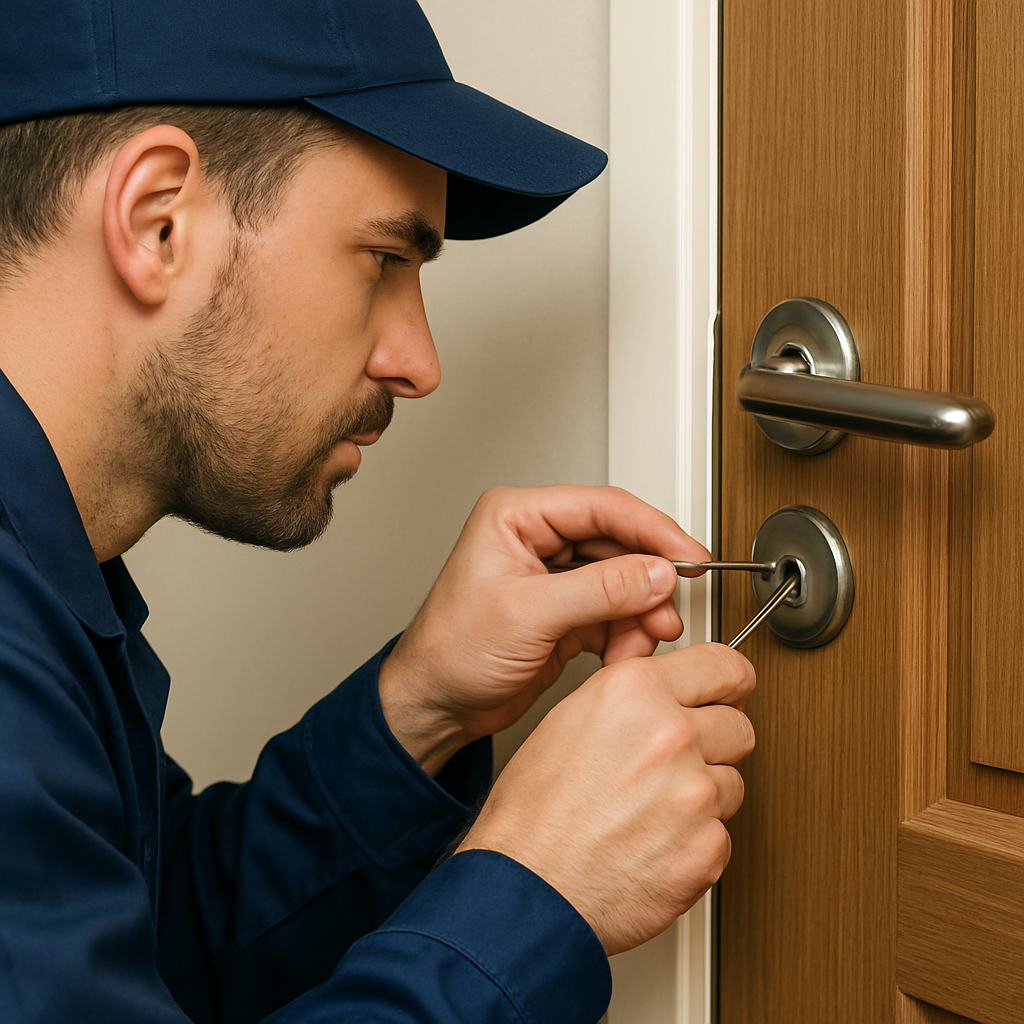
A reliable emergency locksmith arrives with the right kit, confirms identity, and works until the door is secure. Credentials matter for liability and insurance, so ask for company name, license or registration details if you can before the tech begins. On one downtown overnight call, a locksmith who used lock picking saved the client both the cylinder and a day of lost sales.
First 10 minutes: triage actions to prevent bigger damage.
Quickly make basic safety checks, because the last thing you want is employees inside a compromised area while the door is still unsafe. If doors are locked but windows are accessible, move people away from those windows to avoid accidents or attempted break-ins. Photograph the door and lock if it is safe to do so, because images help the dispatcher send the right technician and tools.
Why non-destructive entry often saves time and money for businesses.
Non-destructive entry protects your lock, your door, and your schedule, when it is possible to do so. But non-destructive methods are not always safe for failing hardware, and a skilled tech will know when to stop and replace parts. Experience shows the right call is rarely the fastest call, it is the call that minimizes future interruptions.
Pricing realities you should expect from an emergency locksmith in Orlando.
Expect a higher rate for nights, weekends, and holidays, because technicians near me have to cover urgency and overtime. Ask for an approximate total for the probable solutions so you can balance speed against expense. In commercial settings with multiple doors, negotiating a service contract that covers nights can reduce per-call costs by consolidating emergency service into scheduled maintenance.
How to confirm a locksmith is insured and accountable before letting them start.
Always ask for evidence of liability insurance and general business registration, because these protect you from accidental damage claims. For storefronts with glass doors, you want a tech who understands frame stresses and has insurance for glazing-related incidents. A quick phone call to the dispatch line to confirm the tech's identity is a simple habit that reduces risk.
Electronic access and keyless systems add complexity to emergency response.
Power https://ameblo.jp/emergencylockhxjh222/entry-12959330140.html issues are often the root cause of electronic failures, so confirm battery and breaker status before assuming a lock fault. If a cloud-managed system is down, the problem may be on the provider side rather than the door hardware. We once restored entry to a small clinic by swapping a failed backup battery and reprogramming one user code, saving the clinic from a contractor-level overhaul.
How to evaluate permanent changes after an emergency lockout.
When a cylinder is old, exposed to tampering, or part of a compromised master-key system, replacement and a plan to phase out old cores are better. Electronic access often provides superior audit trails and the convenience of changing permissions without rekeying hardware, with the trade-off of higher maintenance complexity. For a law firm with multiple partners, moving to a restricted-key master system solved duplication anxiety while keeping change costs predictable.
Preparing a business for fewer emergencies: contracts, spare keys, and practice drills.
Regular maintenance prevents mechanical failures and usually costs less than reactive emergency work. Plan for at least one drilled-key backup and a secured offsite keyholder, because redundancy prevents last-minute scrambling. A medical office that documented its locks, codes, and vendor contacts in a binder saved three hours during a weekend shutdown.
Common mistakes I've seen managers make during commercial shutouts.
Trying to force a stubborn lock with improvised tools usually makes the problem worse and voids manufacturer warranties. Assuming all locksmiths have the same qualifications leads to mismatched expectations and surprises on invoices. Another time a receptionist paid a cash-only tech who had no insurance, and the subsequent damage was a full out-of-pocket expense.
Selecting a vendor: questions to ask and a short checklist to keep by the phone.
Ask whether the company is local to Orlando, whether it offers 24/7 dispatch, and whether the technician carries insurance. Ask for references from other local businesses, especially ones with similar locks or access control configurations. Review your provider list annually and update contacts after any turnover so the right vendor shows up when you call.
Escalation steps for incidents that exceed locksmith scope.
If there is a break-in, notify law enforcement before reentry, because evidence preservation is essential for investigation and insurance claims. Insurance adjusters will want itemized repair estimates, so get a vendor who can provide written quotes for replacement hardware and labor. I have worked with property managers to create a timeline for phased security upgrades that align with budget cycles and tenant needs.
The bottom line is simple: preparedness, the right vendor, and quick choices reduce downtime and expense when a commercial shutout happens. When selecting a locksmith, prioritize documented experience with commercial systems, transparent pricing, and a clear commitment to 24/7 response. A practical emergency plan and a reliable locksmith partner turn a potential crisis into a routine service call.